[ad_1]
On April 14, 1912, the R.M.S. Titanic hit an iceberg and sank. It’s been resurfacing ever since. How typically and the way vividly the ship reappears within the public creativeness varies in accordance with the yr’s information and zeitgeist. Excessive factors had been 1955, when A Evening to Keep in mind, Walter Lord’s definitive historical past of the Titanic, was revealed; 1985, when Bob Ballard reached the wreck on the ocean flooring; 1997, when Kate Winslet and Leonardo DiCaprio did that cringey splayed-wing factor on the bow within the Titanic film; and 2023, when a vacationer submersible descending to the wreck failed catastrophically.
Grief plus time equals frivolity, and as such, an everyday function of April since at the least the Fifties has been the looks of the festive Titanic-themed feast. These vary from gala fundraisers to quiet at-home soirées. (“Titanic Events Make a Splash,” was the headline in a 1998 Pittsburgh Submit-Gazette story.) These usually function dishes from the 10-course menu that was served on the voyage’s closing night time, hours earlier than ship met iceberg.
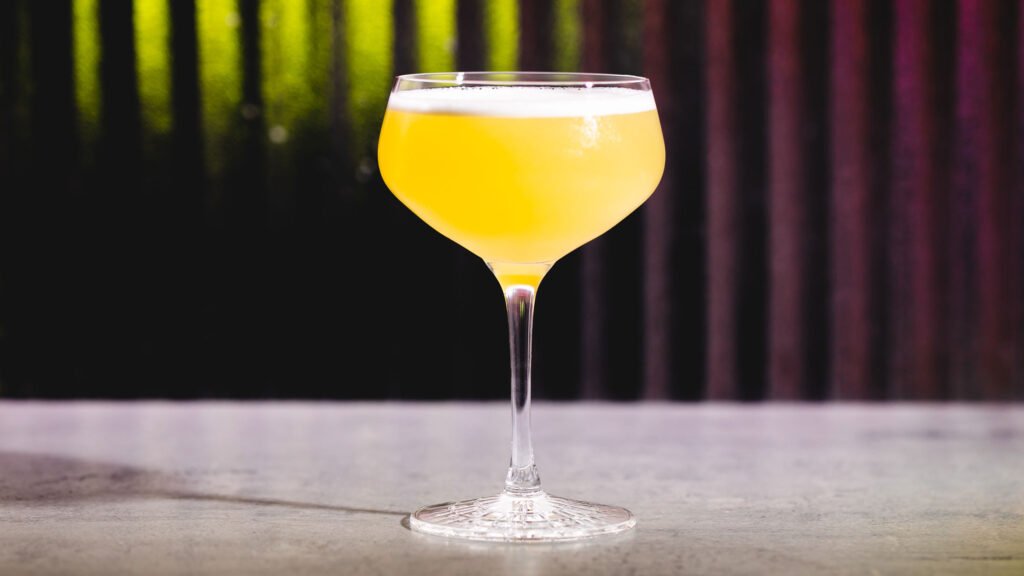
So we’re reacquainted yearly with Punch á la Romaine, which developed minor notoriety because the “final cocktail served aboard the Titanic.” This concoction dates again to the first cocktail information ever revealed, in 1862, which included a recipe for this sherbet-like concoction of lemon juice, orange, juice, white wine, rum, sugar, and egg whites. The primary-class dinner menu for April 14 listed “Punch Romaine” because the sixth course, the place it could have served as a refreshing palate cleanser between the lamb and the roast squab.
… The ship’s bartenders made drinks well-liked on the time—Martinis, Manhattans, Stingers.
No recognized cocktail listing survived the Titanic’s sinking (spurious variations lurk across the web). However the Titanic’s cargo manifest helps the concept that the ship’s bartenders made drinks well-liked on the time—Martinis, Manhattans, Stingers. Some 2,000 bottles of wine and spirits went onboard, together with six instances of vermouth from George F. Dubois, 110 instances of brandy from H. Hollander, and 15 instances of Cognac from Van Renssaller. A bottle that after held Grand Marnier was discovered throughout salvage dives, as had been these for Irish whiskey and Champagne.
It was practically midnight when the ship struck the iceberg. Dinner had lengthy since concluded. A small group of first-class passengers, together with the English businessman, Hugh Woolner, left the Café Parisien and retired to the smoking room for a nightcap. They might have been sitting there when the ship shuddered and the thud echoed by means of the cabins. Woolner, it was reported, was ingesting sizzling whiskey and water; others had highballs.
Whereas trendy events recreating the pre-iceberg splendor of the Titanic’s first-class lounges are widespread, few so far as know have staged reenactments of ingesting on and across the post-iceberg Titanic. That will be easy to do: One wants solely flasks and straight spirits. Later inquests, together with interviews with and journals of survivors, counsel that ingesting was very a lot part of the Titanic because it sank, and survivors awaited rescuers.
Shortly after midnight, the temper aboard the ship shifted from gaiety and celebration to disbelief and survival. Lifeboats had been lowered; ladies and kids boarded first. Liquor’s position shifted from celebratory quaff to balm for the .
Based on Walter Lord’s account, a 22-year-old girl named Marguerite Frölicher aboard one lifeboat was “launched to an vital piece of picnic tools.” She grew seasick and one other lifeboat passenger pulled out a silver flask with a cup high and supplied a sip of brandy. “She took the suggestion and was immediately cured.” Based on Lord, she had by no means seen such a flask in her life, and was captivated by it.
One other lifeboat plucked up a crewman bobbing within the icy water like a cork. He had a bottle of brandy in his pocket, to which he was evidently already fairly acquainted, as he was totally soused—not an unreasonable situation, one supposes, given the circumstances. The quartermaster promptly threw the bottle overboard, and threw the drunken crewman to the underside of the boat.
[The R.M.S. Carpathia’s] chief steward ordered his crew to have brandy and whiskey available for the survivors.
The primary rescue ship arrived practically 4 hours after the misery name went out. It was the R.M.S. Carpathia, a Cunard-line steamship en route from New York to Croatia. Because the magnitude of the rescue grew to become clear, the ship’s chief steward ordered his crew to have brandy and whiskey available for the survivors.
Greater than a century later, curiosity within the ship’s demise reveals no indicators of flagging. Atlanta noticed the opening final summer season of the Might Peel, a bar “impressed by the indomitable spirit of creator Lily Might Futrelle, a Titanic survivor.”
And, naturally, there are many cocktails named after the Titanic. These invariably contain a variety of ice.
One which stands out was created in 1998 by Anthony Belman, a Virginia bartender whose grandfather was a third-class passenger and wreck survivor. Belman known as his drink the Titanic Iceberg, and concocted it of blue curaçao, rum, and crème de menthe, blended with ice and made right into a frigid, aqua-colored slushy. Atop the drink he floated slabs of vanilla ice cream, on which he positioned two Lifesavers.
Punch à la Romaine
2 lb. powdered sugar
1 (750ml) bottle of white wine
1 (750ml) bottle of rum
10 egg whites
10 lemons
2 candy oranges
Instruments: sieve, barspoon, whisk, bowl
Glass: punchbowl and punch cups
Mix the juice of the lemons and oranges with the powdered sugar in a bowl till the sugar is dissolved, and add a skinny rind of orange. Stir and run the combination by means of a sieve into one other bowl. Slowly add the egg whites and beat it to a froth. Put the bowl within the freezer, permitting the combination to freeze a bit. When able to serve, stir the wine and rum into the combination and stir briskly. Serve.
Jerry Thomas, The Bar-Tender’s Information: A Full Cyclopedia of Plain and Fancy Drinks
[ad_2]